
Dimension 03: Physical Well-Being



-
Dimension 03:
Physical Well-Being
get to happy
Click each box to explore each dimension in depth.


DIMENSION 3: PHYSICAL WELL-BEING
Physical health and well-being are foundational to your overall wellness and quality of life. This dimension emphasizes maintaining a healthy body through regular exercise, proper sleep, preventive health measures, and a balanced approach to all physical activities. It encompasses not only the absence of disease but also the ability to function optimally and engage in everyday activities with vigor.
Physical Health and Well-Being
1. The Importance of Physical Health
Physical health is crucial because it:
- Enhances the body’s ability to ward off illnesses and recover more quickly when sickness occurs.
- Supports the functioning of the cardiovascular, respiratory, and musculoskeletal systems.
- Improves mental health by reducing anxiety, depression, and cognitive decline.
- Boosts energy levels and stamina for daily activities.
2. Key Components of Physical Health
- Regular Physical Activity
- Regular physical activity is vital for maintaining and improving overall health. It includes:
- Cardiovascular Exercise: Activities like running, cycling, swimming, and walking help to strengthen the heart and lungs.
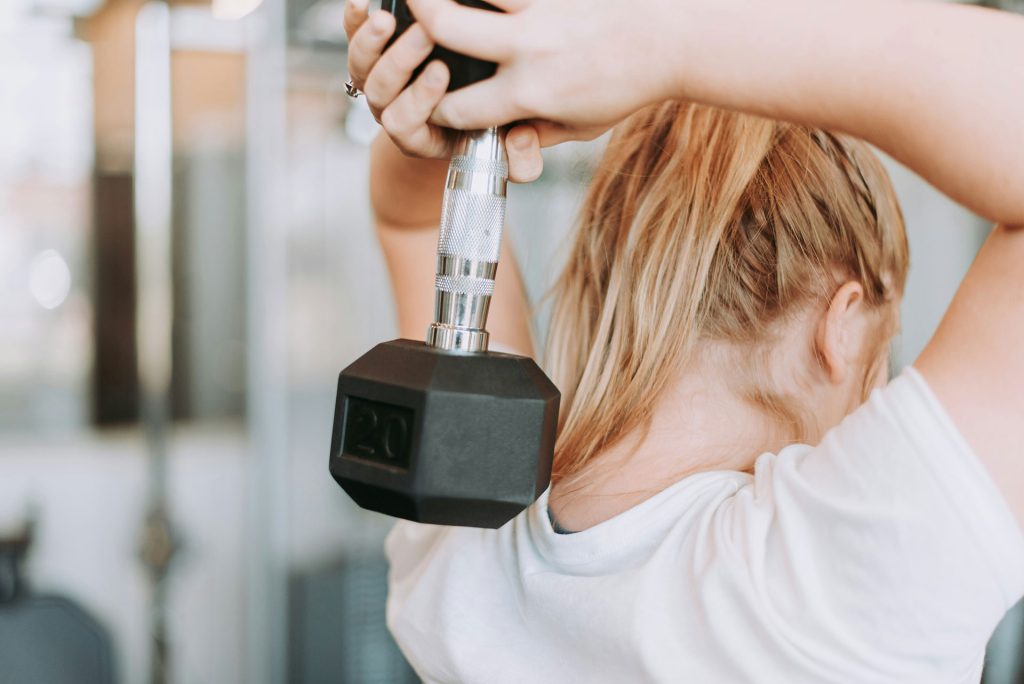
- Strength Training: Lifting weights, using resistance bands, and body-weight exercises like push-ups and squats build muscle strength and endurance.
- Flexibility and Balance: Stretching exercises, yoga, and Pilates enhance flexibility, reduce the risk of injuries, and improve balance and coordination.
- Regular physical activity is vital for maintaining and improving overall health. It includes:
- Adequate Rest and Sleep
- Sleep is essential for the body’s recovery and repair processes. Aim for 7-9 hours of quality sleep per night. Tips for better sleep include:
- Establishing a regular sleep routine.
- Creating a relaxing bedtime environment.
- Avoiding stimulants like caffeine and electronic devices before bed.
- Sleep is essential for the body’s recovery and repair processes. Aim for 7-9 hours of quality sleep per night. Tips for better sleep include:
- Preventive Health Measures
- Preventive health involves regular check-ups, screenings, and vaccinations. Key preventive measures include:
- Routine Medical Exams: Regular visits to healthcare providers for physical exams and health screenings.
- Vaccinations: Staying up to date with recommended immunizations to prevent diseases.
- Self-Examinations: Performing regular self-checks for early detection of potential health issues, such as skin checks for abnormal moles.
- Preventive health involves regular check-ups, screenings, and vaccinations. Key preventive measures include:
- Healthy Lifestyle Choices
- Making healthy choices daily contributes significantly to physical well-being. These include:
- Hydration: Drinking enough water throughout the day to stay properly hydrated.
- Stress Management: Incorporating relaxation techniques like deep breathing, meditation, and mindfulness to reduce stress levels.
- Avoidance of Harmful Substances: Refraining from smoking, limiting alcohol consumption, and avoiding recreational drug use.
- Making healthy choices daily contributes significantly to physical well-being. These include:
3. Benefits of Prioritizing Physical Health
By focusing on physical health, individuals can experience:
- Reduced Risk of Chronic Diseases: Lower likelihood of conditions such as heart disease, diabetes, and hypertension.
- Improved Mental Health: Enhanced mood and reduced symptoms of stress, depression, and anxiety.
- Increased Longevity: Potentially longer life expectancy with a higher quality of life..
- Enhanced Daily Functioning: Greater ability to perform daily tasks with ease and vitality.
4. Practical Tips for Maintaining Physical Health
- Set Achievable Goals: Start with small, manageable fitness goals and gradually increase intensity.
- Stay Active: Incorporate physical activity into daily routines, such as taking stairs instead of elevators.
- Find Enjoyable Activities: Engage in physical activities that you enjoy to stay motivated.
- Seek Social Support: Join fitness groups or find exercise buddies for accountability and encouragement.
- Listen to Your Body: Pay attention to physical cues and rest when necessary to prevent overexertion.
5. Importance of Regular Physical Activity
Regular physical activity is a cornerstone of good health and well-being. It not only strengthens your body but also contributes significantly to mental and emotional health. When you engage in regular exercise, you:
- Improve cardiovascular health, reducing the risk of heart disease.
- Strengthen muscles and bones, which helps prevent osteoporosis and frailty.
- Enhance flexibility and balance, reducing the risk of falls and injuries.
- Boost immune function, helping the body fight off illnesses.
6. Benefits Beyond Physical Health
- Improved Self-Image and Confidence: Engaging in regular exercise can lead to positive changes in body composition and physical appearance. As individuals see and feel improvements in their fitness, it often results in enhanced self-image and confidence. This confidence can ripple into other areas of life, encouraging people to take on new challenges and opportunities.
- Better Stress Management: Physical activity is a powerful stress reliever. Exercise stimulates the production of endorphins, the body’s natural mood lifters. It also helps reduce levels of the body’s stress hormones, such as adrenaline and cortisol. This makes it easier to cope with daily stressors and maintain a positive outlook.
- Enhanced Mental Health: Regular exercise is linked to lower levels of depression and anxiety. It can also improve sleep quality, which is crucial for overall mental health. The sense of accomplishment from completing a workout can further boost mood and mental resilience.
- Holistic Wellness: When individuals prioritize fitness, they often find that other aspects of their lives begin to align. For example, people who exercise regularly may also become more mindful of their eating habits, leading to a healthier diet. Additionally, the discipline and routine developed through regular exercise can spill over into better time management and productivity in personal and professional areas.
7. Types of Physical Activities
Different types of physical activities offer varied benefits:
- Aerobic Exercise: Activities like running, cycling, swimming, and brisk walking improve cardiovascular health and endurance.
- Strength Training: Weightlifting, resistance band exercises, and body-weight workouts (e.g., push-ups, squats) build muscle strength and endurance.
- Flexibility Exercises: Stretching routines, yoga, and Pilates improve flexibility, reduce muscle tension, and enhance range of motion.
- Balance Exercises: Tai chi, balance drills, and certain yoga poses help improve coordination and prevent falls.
8. Practical Tips for Regular Physical Activity
- Start Small: Begin with activities that are manageable and enjoyable. Gradually increase the intensity and duration.
- Consistency is Key: Aim for at least 150 minutes of moderate aerobic activity or 75 minutes of vigorous activity each week, along with muscle-strengthening activities on two or more days each week.
- Find What You Love: Choose activities you enjoy to stay motivated, whether it’s dancing, hiking, or playing a sport.
- Mix It Up: Incorporate a variety of exercises to work different muscle groups and keep workouts interesting.
- Stay Accountable: Work out with friends, join a fitness class, or set goals to stay committed.
Final Thoughts
This comprehensive approach to regular physical activity highlights its significance not only for physical health but also for enhancing overall well-being.